














In the iGaming industry, launching a platform in a new market often appears straightforward: translate the interface, integrate local currency, and activate welcome bonuses. Yet, in many cases, performance fails to follow. Traffic stagnates, retention remains low, and conversions fall short of expectations.
Drawing on its experience working with operators across both regulated and emerging markets, Turbo Stars has identified a recurring pattern: what initially looks like a visibility or acquisition issue is often a deeper product-market mismatch.
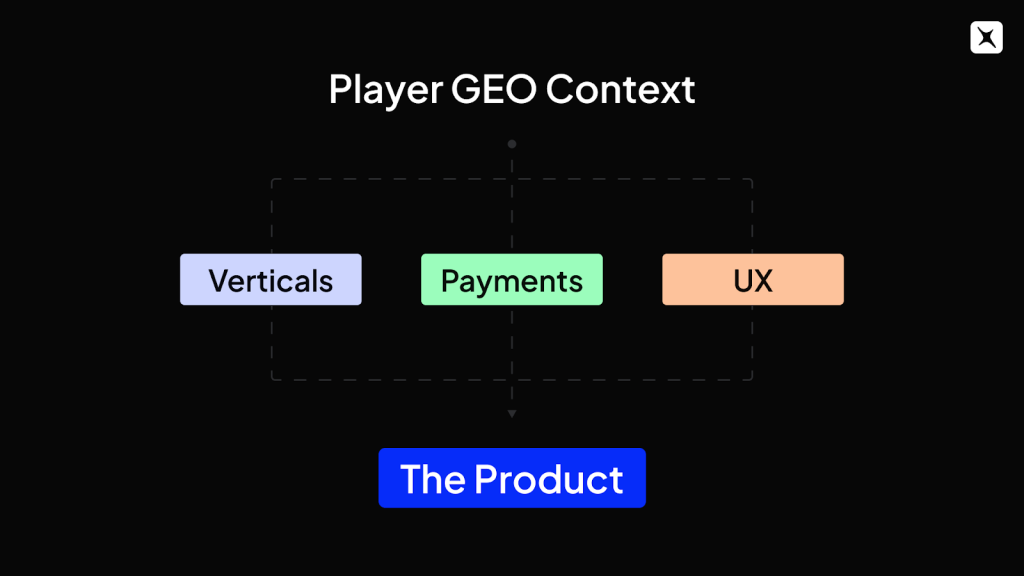
Effective localization goes far beyond language or surface-level adjustments. It requires a deep understanding of how users behave in each region and building the product around those behaviors, rather than relying on a generic, translated template.
Casino vs. Sportsbook: A Strategic Decision
One of the most critical factors when entering a new market is defining the right balance between casino and sportsbook offerings. This is not a minor preference — it can determine whether a product gains traction at all.
In Latin America, football is more than a sport; it is embedded in everyday life. Betting on local leagues, international tournaments, and national teams is a natural extension of fan engagement. In this context, an operator that underinvests in sportsbook is not offering an incomplete product — but the wrong one.
Meanwhile, Southeast Asia operates under entirely different dynamics. Games like baccarat hold strong cultural significance, while skill-based formats such as fishing and hunting games drive engagement in ways that have no real parallel in Western markets.
Payments: The Silent Driver of Conversion
Even with the right entertainment offering, performance can suffer if the payment infrastructure does not align with local user behavior.
In Brazil, for instance, PIX has become the dominant payment method, surpassing card usage. Ignoring such solutions introduces friction at a critical moment in the user journey: the deposit.
Similar patterns can be observed across various markets, where local, cash-based, or even crypto solutions respond to specific economic and technological realities.
To address this, Turbo Stars embeds payment flexibility into its core architecture, enabling operators to adapt seamlessly to each geography without requiring additional development.
UX: Where Experience Determines Outcomes
User journeys do not end at platform access. In fact, many drop-offs occur before the first deposit due to friction within the experience itself.
In mobile-first markets, heavy interfaces or designs built for high-speed broadband can create invisible barriers. Users may not articulate the issue — they simply leave.
Additionally, elements such as bonus structures, registration flows, and verification requirements must align with local expectations and tolerance levels. What feels standard in one region may feel unnecessarily complex in another.
Context Is the Product
Operators that succeed in new markets are not necessarily those with the largest budgets, but those who understand that user context is the true foundation of product design.
How users pay, what they engage with, which devices they use, and what feels familiar should all shape the product strategy.
In this landscape, Turbo Stars positions itself as a strategic partner, delivering a flexible, fast-to-deploy B2B platform designed to adapt to the unique characteristics of each market.