








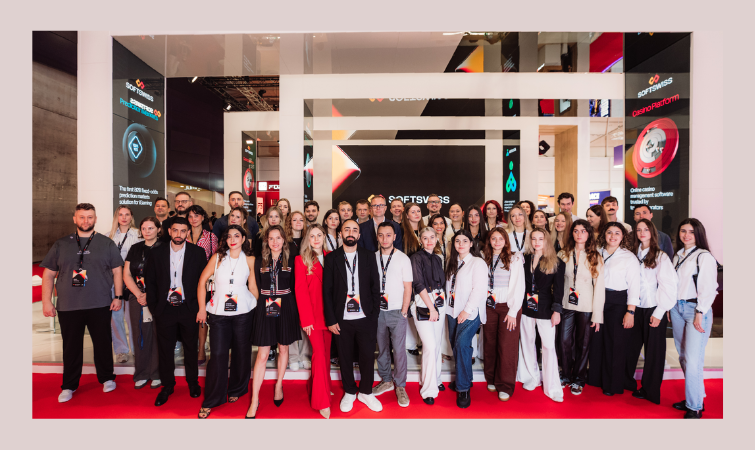



A panel featuring representatives from the Mpumalanga Economic Regulator, Jabula Bets and Legends Gaming and Management Solutions examined the regulatory requirements, operating costs and localisation challenges facing operators, using South Africa as the main case study.
Expanding into Africa may offer opportunities for the iGaming industry, but entering its markets requires far more than securing a licence. This was one of the main takeaways from “Not a Cheap Bet: The Economics of Launch in the African iGaming Market,” a LinkedIn Live panel hosted by SOFTSWISS.
The session brought together the Mpumalanga Economic Regulator, operator Jabula Bets, consultancy Legends Gaming and Management Solutions, and SOFTSWISS to discuss the costs and conditions companies need to consider before launching operations in the region.
A central theme was the diversity of African markets. The continent’s 54 countries have different regulatory frameworks, anti-money laundering requirements, player preferences and payment methods. As a result, an approach that works in one country may require significant adjustments before it can be applied elsewhere.
Payment preferences illustrate these differences. Mobile money plays an important role in Kenya, while South African players use options such as vouchers, electronic funds transfers and cards. Other markets rely on USSD services and agent networks. Game content must also be tailored to local audiences.
South Africa: licensing, certification and local requirements
South Africa illustrates the complexity of entering these markets. According to the panel, operators must apply for licences in each province, and the country’s nine provincial authorities follow their own procedures. Approval can take between three and twelve months, depending on the jurisdiction and the complexity of the application.
Licensing is only one part of the process. Products must also undergo certification by testing laboratories and the South African Bureau of Standards (SABS). Platforms are additionally required to produce 21 market-specific regulatory reports.
These requirements can delay a commercial launch even after approval has been granted. The panel noted that some operators licensed more than a year ago had yet to launch because their platforms required further development.
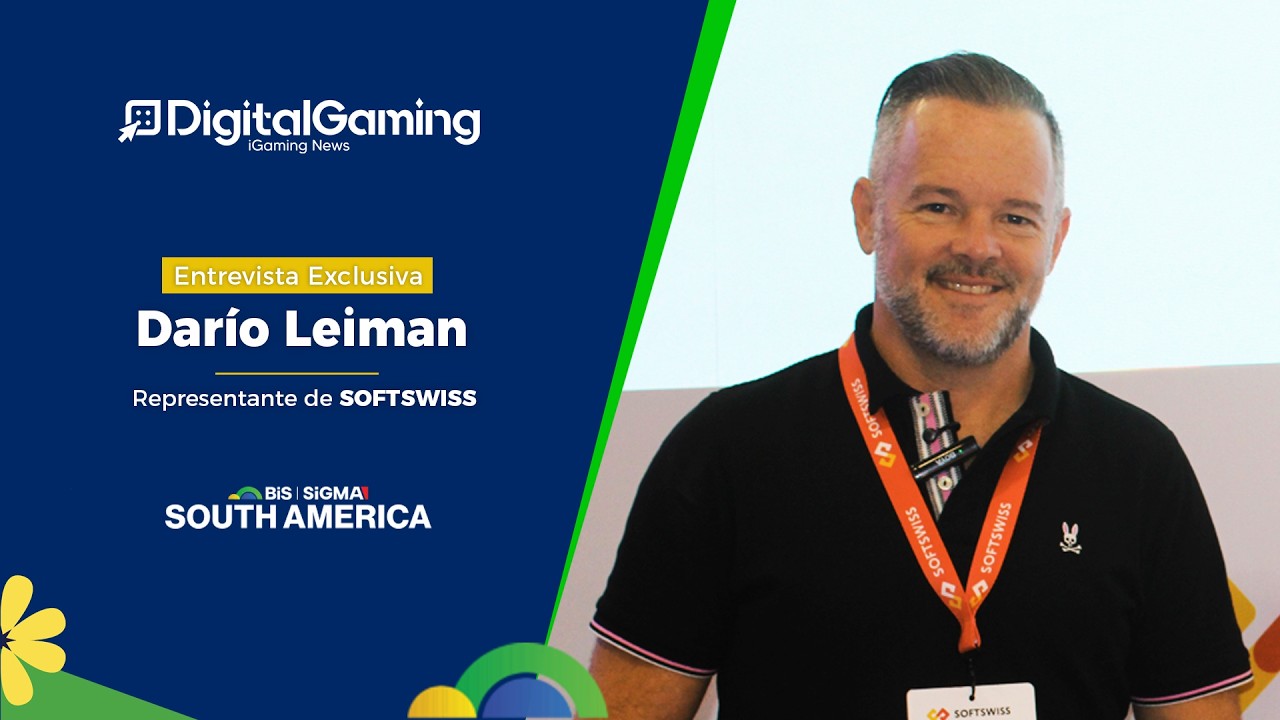
Mariia Halaida, Head of Business Development in Africa at SOFTSWISS, highlighted the need to tailor both technology and game content to individual markets.
“Local content is crucial. If you want to operate in Kenya, you would have a different set of game providers than in West Africa or South Africa. So for us as a platform provider, aggregation provider, it’s crucial to offer our clients the content that would fit their needs and their markets. We don’t have just one offer for everyone out there. It’s completely personalised,” she said.
The costs that can determine business viability
Another key topic was the difference between the cost of obtaining a licence and the investment required to establish a sustainable operation.
Expenses can include localisation, certification, setting up a local company, hiring staff, meeting Broad-Based Black Economic Empowerment (BEE) requirements, technology, payments and marketing.
Panellists also warned against investing in a platform that is ready only for launch rather than one capable of handling actual player demand.
Acquiring customers requires ongoing investment, particularly when competing against established local brands. However, technical issues, failed deposits or poor customer service can undermine that spending and damage the user experience.
Building a proprietary platform can become a multi-year project costing millions of dollars. Working with an experienced technology provider may therefore be an alternative for operators seeking to reduce development complexity and focus on their commercial strategy.
Research and local partnerships before launch
The panellists recommended that operators define their business strategy first and then assess which markets best fit their objectives and resources.
Suggested steps included conducting feasibility studies, consulting professionals with direct experience in each jurisdiction, carrying out due diligence on potential partners, and engaging early with a local partner and testing laboratory.
Vusi Mtsweni, CEO at the Mpumalanga Economic Regulator, stressed the importance of understanding the market before committing investment:
“For international operators, don’t come to South Africa simply because the market is growing. Come because you understand the market, the regulatory environment, the consumer and the economics. And because you are prepared to invest for the long term,” he said.
The discussion highlights an important consideration for companies exploring expansion into Africa: growth opportunities need to be assessed alongside compliance costs, technology infrastructure, local audience preferences and the ability to sustain operations over the long term.