











The company was named Aggregator of the Year, launched the fifth edition of its annual iGaming trends report and explored topics including artificial intelligence, regulation, digital maturity and prediction markets.
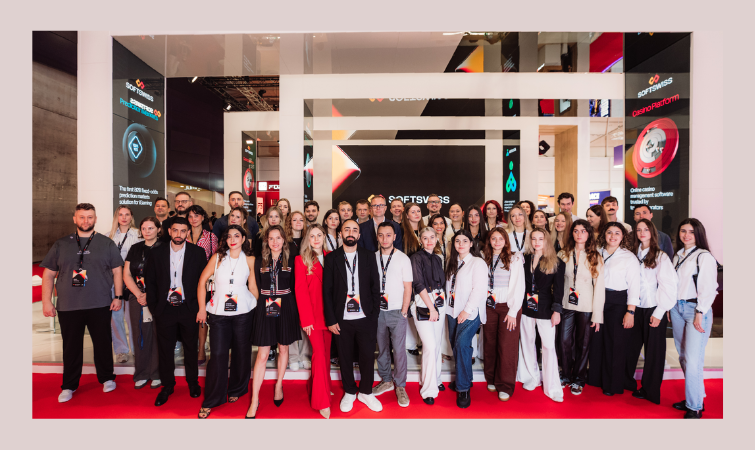
SOFTSWISS wrapped up its participation in SBC Summit Lisbon with a new industry recognition at the SBC Awards 2026, the launch of its iGaming Trends 2027 report and a series of discussions focused on some of the key developments shaping the industry.
The event brought together 40,000 industry professionals from more than 150 countries and gave SOFTSWISS an opportunity to share its perspective on the evolution of iGaming and the priorities operators need to consider as markets become increasingly regulated and competitive.
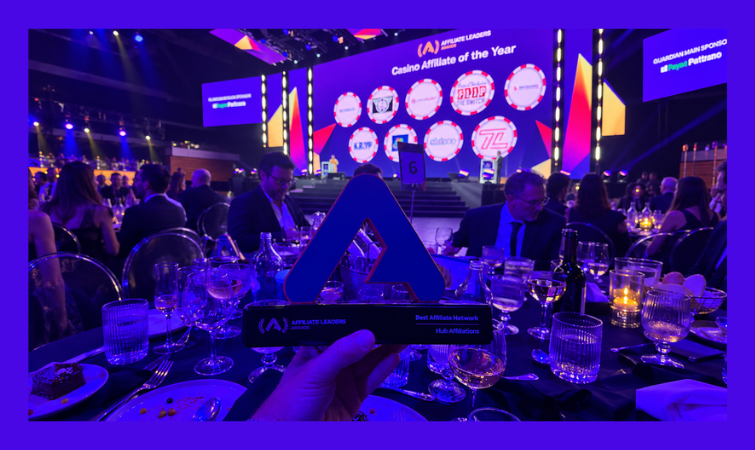
SOFTSWISS Game Aggregator Named Aggregator of the Year
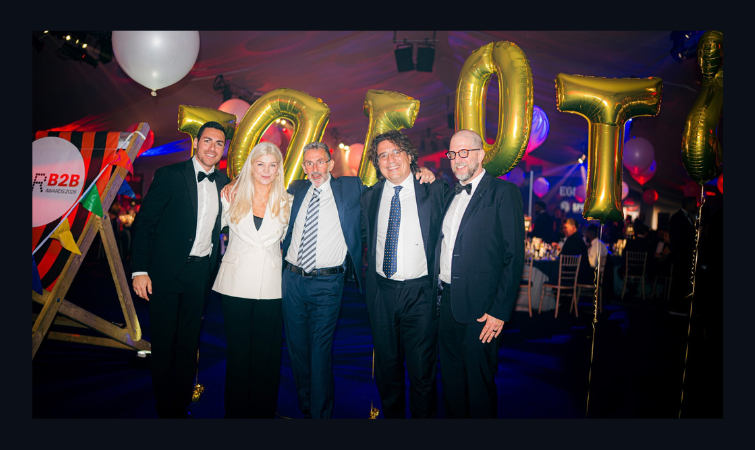
The SOFTSWISS Game Aggregator was named Aggregator of the Year at the SBC Awards 2026, held in Lisbon on the final evening of the event.
The recognition comes as the platform continues to expand its multi-market content distribution capabilities. According to SOFTSWISS, its Game Aggregator connects operators with more than 40,000 games from over 300 studios through a single integration.
Five years of iGaming trends
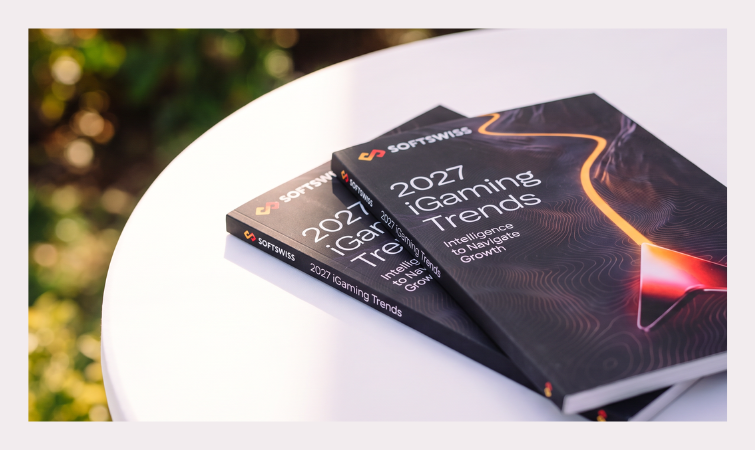
One of the key moments for SOFTSWISS at the event was the launch of the 2027 edition of its iGaming Trends report, marking the fifth consecutive year of the research.
The report was produced in partnership with WorldGaming, formerly Clarion, and for the first time includes perspectives from outside the iGaming industry, including Amazon Web Services (AWS).
One of its chapters, titled “Beyond iGaming,” compares iGaming with other digital industries and examines how different sectors are approaching technology, regulation, growth and customer experience.
The report explores several key questions, including how artificial intelligence is changing business processes, how compliance is becoming part of product architecture and how companies can adapt their products to the specific requirements of individual markets.
Alexandra Kavelich, Deputy CMO at SOFTSWISS, said:
“The iGaming market has grown from around €48 billion in 2019 to more than €307.3 billion in gross gaming revenue in 2026 and is projected to reach about €461.84 billion in gross gaming revenue by 2031.”
She added that annual growth is expected to moderate from around 30% to 9%, which she described as a sign that the industry is entering a new stage of maturity.
Robin Harrison, Global Content Director B2B at WorldGaming, highlighted the changing role of regulation and compliance.
“As operators expand in regulated markets, compliance is becoming embedded into the product itself. This trend will influence how digital platforms are designed, developed and scaled.”
The report was also presented on the SBC Summit Lisbon stage during the panel “2027 SOFTSWISS iGaming Trends Report | Five Years of iGaming: Which Trends Endured, Which Faded, and What Comes Next?”
The discussion brought together perspectives from technology companies, operators, suppliers and media, including representatives from Amazon Web Services, SOFTSWISS and BGaming.
The iGaming Trends 2027 report is available for free download.
Prediction markets move into the spotlight
Prediction markets also received significant attention during the 2026 edition of SBC Summit Lisbon, which introduced its first Global Prediction Markets Forum.
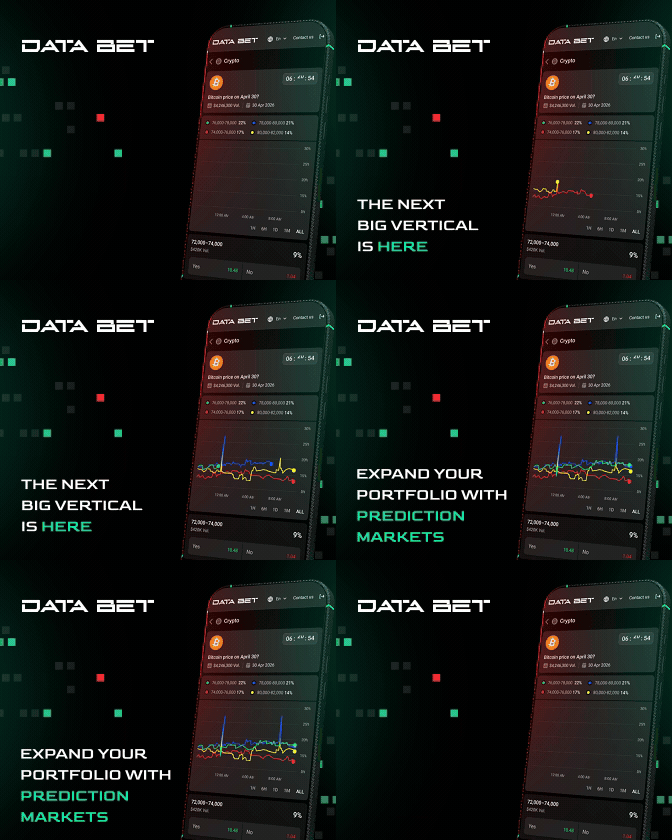
SOFTSWISS showcased its Prediction Markets Platform at a dedicated stand and also participated in sessions focused on this emerging category.
Anton Lishchuk, Prediction Markets Commercial Strategist at SOFTSWISS, joined the panel “Prediction Markets: The Future’s Not Near, It’s Here” and delivered the keynote “Operators May Lose Prediction Markets Before They Enter Them.”
SOFTSWISS’ participation at SBC Summit Lisbon highlighted three areas that are becoming increasingly important for the industry: technological development, adaptation to evolving regulatory environments and the emergence of new models of digital entertainment and engagement.