

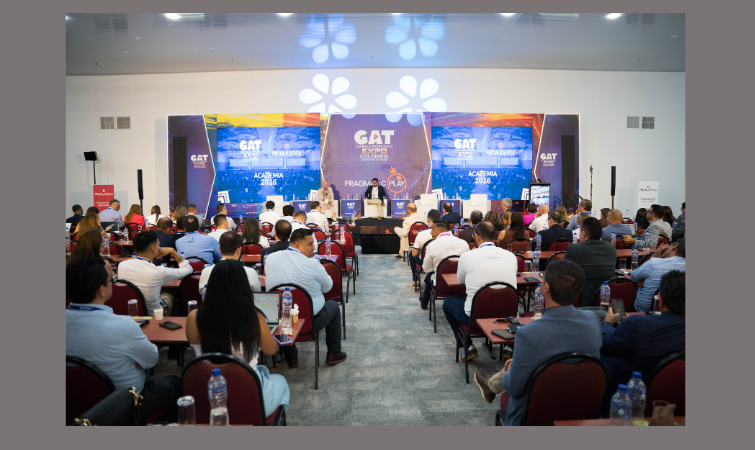









On September 17 and 18, Lima became a meeting point for the iGaming industry as the city hosted LiGA Summit 2026, an event organized by Eventus International, a company specializing in professional industry events worldwide.
Over two days of conferences, industry professionals and experts discussed some of the key challenges and opportunities facing the Peruvian market, as well as the trends shaping the iGaming ecosystem across Latin America.
Regulation, licensing, regional cooperation, profitability, affiliate marketing, cybersecurity, player protection, AML & KYC, responsible marketing, diversity and innovation were among the key themes throughout the agenda.

As the Peruvian market continues to develop within a regulated framework, LiGA Summit 2026 provided an opportunity to bring together different perspectives and experiences from professionals across the sector, with panels characterized by a dynamic, educational and conversational format.
At Digital Gaming News, we provided special coverage throughout both days, following the main conversations and developments at the event. Here are some of the key moments and topics that stood out.
Day 1: Regulation, Profitability and Market Transformation
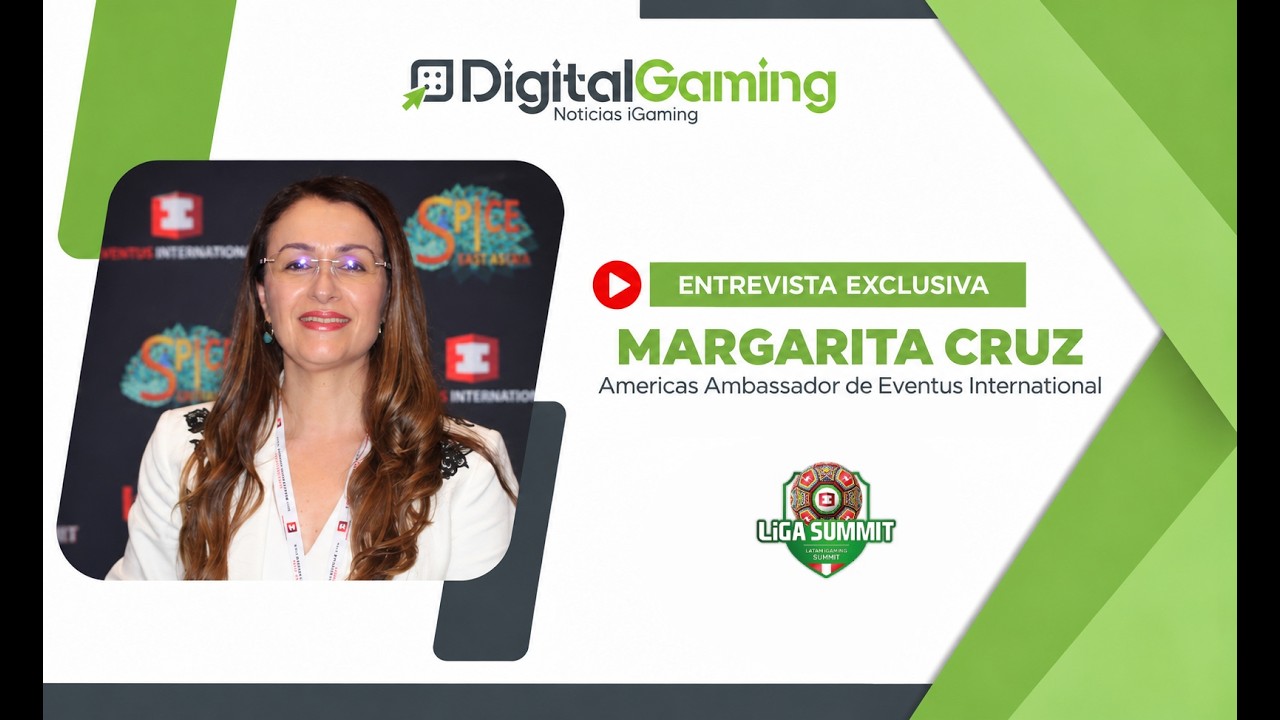
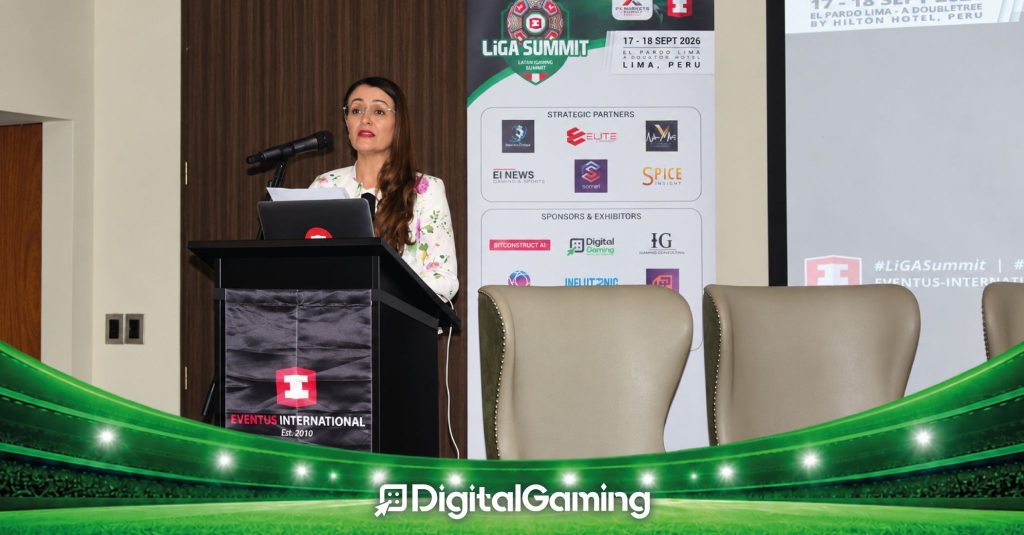
The first day opened with remarks from Margarita Cruz, Founder/Director of Diamond28 Consulting Limited, who welcomed participants and officially kicked off a program focused on the main challenges and opportunities shaping the iGaming market.
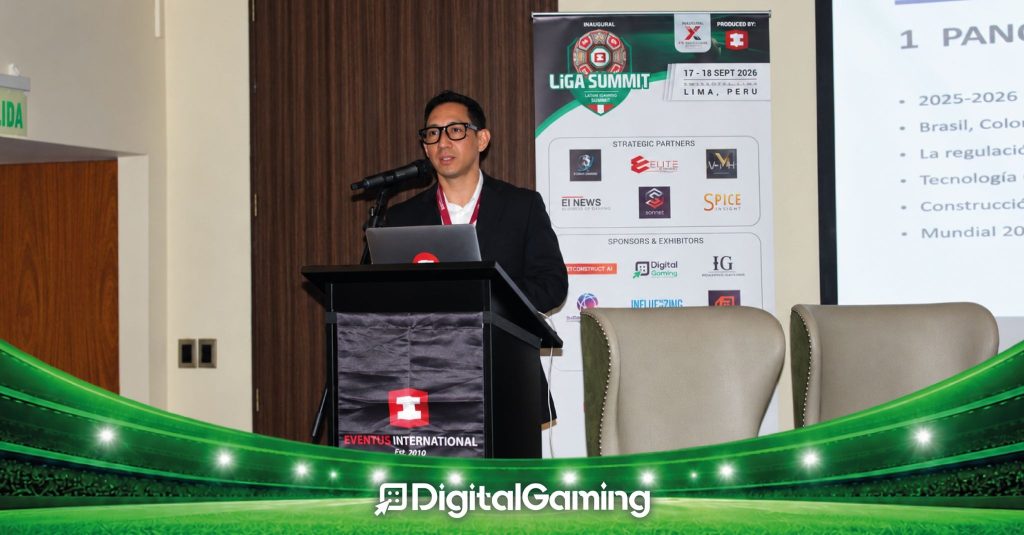
Next, Israel Vazquez, iGaming Consultant, explored the future of iGaming in Latin America, looking at the evolution of markets across the region and developments related to regulation, growth, technological innovation and changing player profiles.
One of the main sessions focused on the new era of gaming licenses in Peru, a key topic for understanding the development of the market and the ongoing formalization of the sector.
Moderated by Margarita Cruz, the panel brought together Carlos Fonseca Sarmiento, Milagros Seijas Peralta and Nicolás Samohod, who examined Peru’s regulatory landscape from different perspectives. The discussion covered the legalization and consolidation of the sector, the tax framework and taxes applicable to gaming operations, as well as the role of the Selective Consumption Tax (ISC) within government policy.
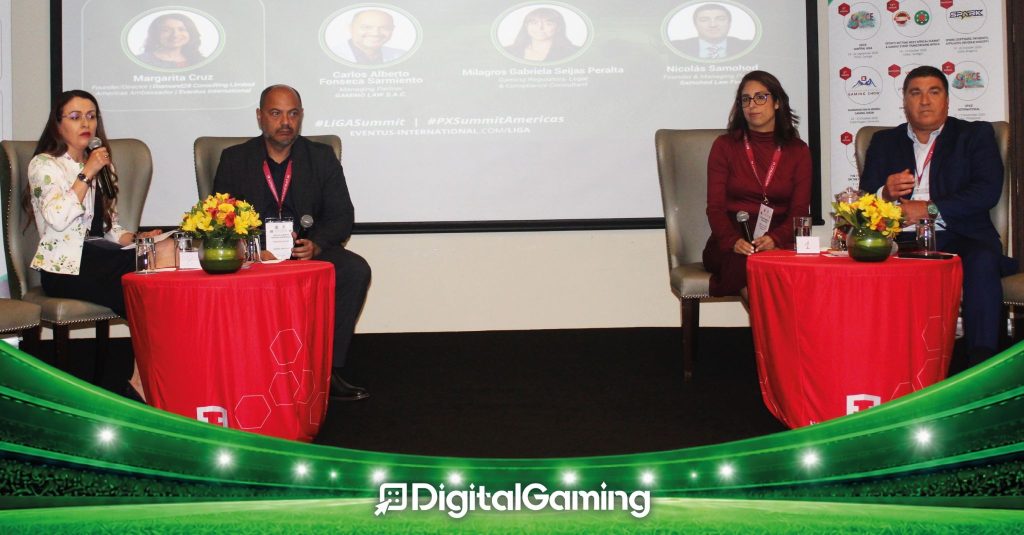
The conversation also focused on the regulatory dynamics of the Peruvian market, its progress and the challenges operators and other industry stakeholders face as they adapt to an environment that continues to evolve.
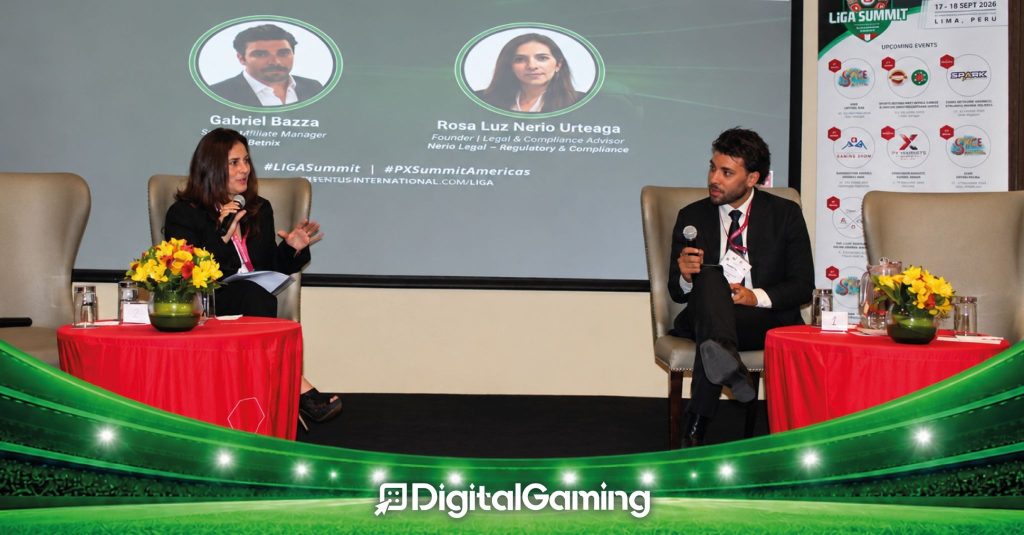
The discussion then moved to affiliates, compliance and transparency, with Gabriel Bazza and Rosa Luz Nario Urteaga examining the impact of regulation on affiliate marketing, tracking and new transparency and compliance requirements.
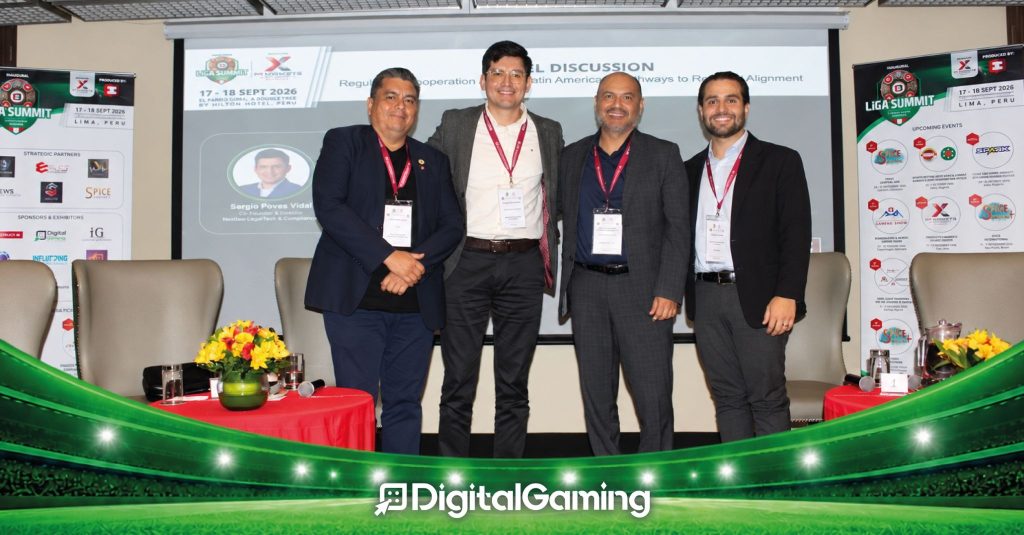
Another central topic was regulatory cooperation across Latin America. Moderated by Sergio Poves, the session featured Carlos Fonseca Sarmiento, Eduardo Linares and Jonathan Félix, who discussed the challenges created by the region’s diverse regulatory frameworks and the importance of strengthening information sharing and coordination between markets.
The conversation also highlighted the need to know customers and better understand player behavior, particularly in competitive markets such as Peru. Understanding users’ profiles, needs and habits is increasingly relevant when developing sustainable strategies that can adapt to the evolution of the sector.
The maturity of players was also highlighted, together with the importance for operators and companies to gain a deeper understanding of their audiences as the market continues to become more sophisticated.
The agenda then moved toward a fundamental question for the industry’s development: how can the market move from regulation to profitability?
Moderated by Jonathan Félix, the panel brought together Andrés Salvador Tapia Di Laura, Celeste Redondo, Guillermo Johnson, Jahir Rosales Zapata and Pablo Hashimoto, who examined how regulatory changes can influence market development and create new opportunities and business models.

The first day also focused on one of the trends transforming digital marketing: the growth of affiliates and content creators across Latin America.
Moderated by Antonieta Gonzáles, Content Director & Partner at Digital Gaming News, the panel featured Daniel Aita, Ernesto Cabrera, Gabriel Bazza, Jalitza Espinoza and Paulo Tuya, who discussed the impact of TikTok, YouTube and short-form video on affiliate strategies, player acquisition and content creation within the iGaming sector.

During the discussion, the specialists highlighted the importance of knowing the community and understanding the audience before developing collaboration strategies. In this environment, content creators are becoming increasingly relevant to operators, not only as reach channels, but also as partners capable of connecting with specific communities.
However, for these collaborations to be effective, operators need to have a deep understanding of their own audiences, including their interests and behaviors. Segmentation therefore emerged as a key element in identifying which profiles, types of content and creators can establish the most relevant connection with each audience.
The first day concluded with closing remarks from Margarita Cruz, bringing to an end a day shaped by conversations around regulation, affiliate marketing, profitability and market transformation.
Day 2: Security, Player Protection and New Perspectives
The second day broadened the conversation to other areas that are essential to building a sustainable industry.
One of the first topics was Fraud & Cybersecurity, where Jorge Temoche, Head of Cybersecurity & IT Risk at Apuesta Total, discussed different strategies for preventing fraud and strengthening the security of iGaming operations.
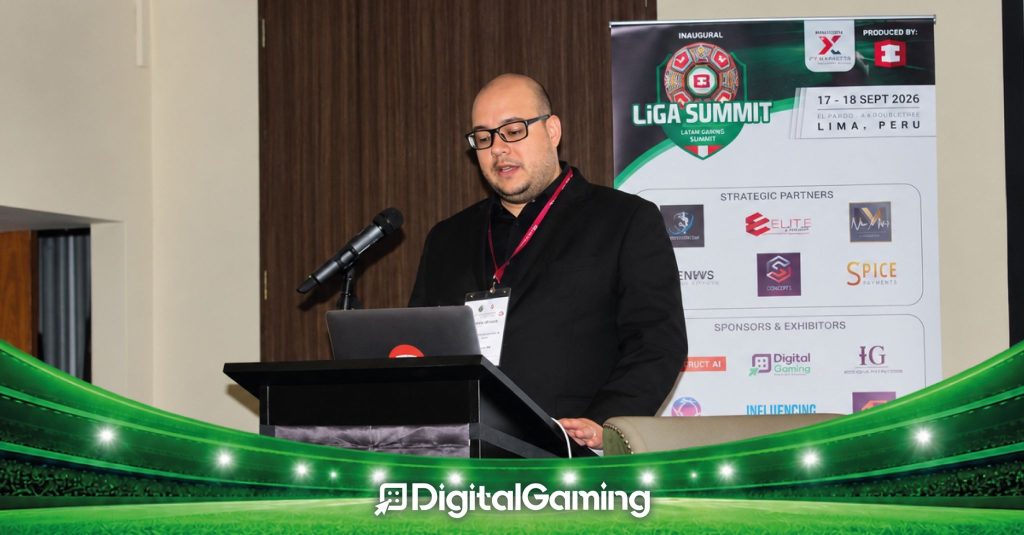
During his session, he highlighted the importance of adopting strong security practices, such as storing passwords in secure vaults rather than directly in code, while also strengthening authentication and API protection mechanisms and reviewing configurations that could create vulnerabilities.
The discussion also addressed the challenge of controlling automated calls and the use of bots. In this area, the need to implement mechanisms that can limit and control automated interactions was highlighted, alongside the potential use of artificial intelligence tools to improve fraud detection and prevention systems.
Another relevant topic was user identity verification, particularly in processes involving bonuses and promotional offers. The discussion highlighted the importance of identifying the individual rather than simply the account, while also verifying where the benefits are ultimately going in order to prevent misuse.
The session provided a broad perspective on cybersecurity within iGaming, where technological protection, controlled automation, artificial intelligence and accurate user identification are becoming increasingly important to building secure operations.
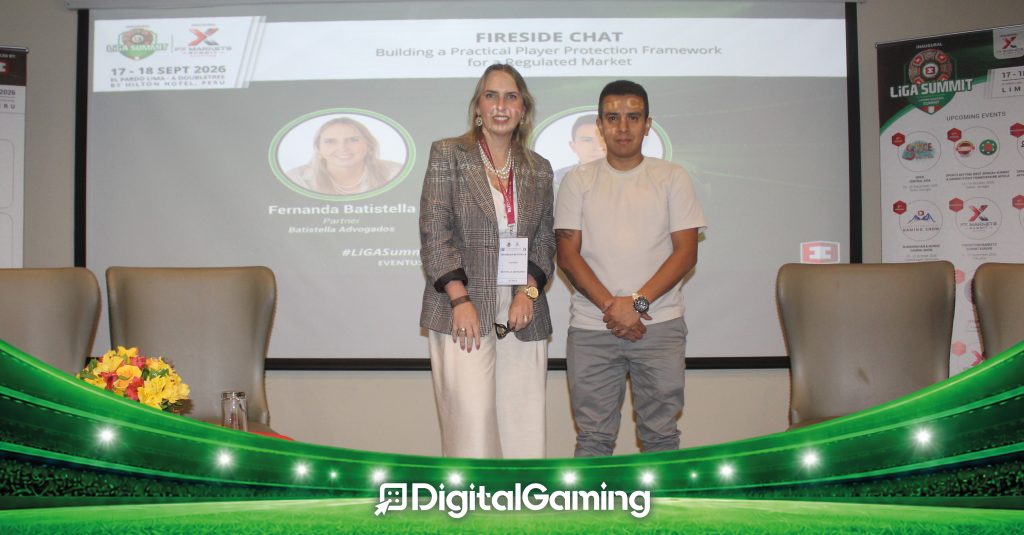
Player protection also had a prominent place on the agenda. Fernanda Batistella and Junior Aguilar Caffo discussed practical tools and frameworks related to behavioral analytics, affordability checks and early intervention in regulated markets.
From another perspective, Ana María Padrós explored the differences and points of connection between land-based and online casino markets through the session One Product, Two Markets, examining the trends and challenges affecting both models.
Compliance once again took center stage with the AML & KYC discussion, where industry experts examined the challenges operators face around identity verification, fraud prevention and traceability within the digital ecosystem.
One of the key points was the importance of understanding player behavior and keeping user information up to date in order to identify potential risk indicators. In this process, understanding the source of funds and having appropriate mechanisms to request and verify information are essential to strengthening compliance controls.
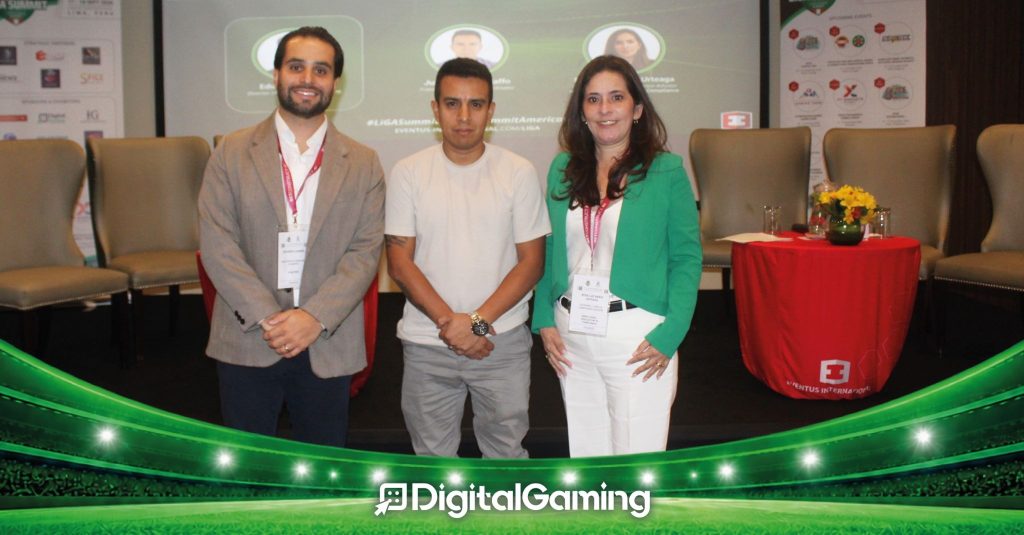
The specialists also highlighted the need for compliance teams to maintain proper traceability of decisions and processes, documenting the assessments carried out, the criteria applied and the actions taken.
They also emphasized the importance of establishing a review frequency and criteria that are proportionate to each user’s level of risk, rather than applying the same controls uniformly across all profiles.
In this context, having specialized analysts becomes particularly valuable, as their experience and analytical skills allow them to assess available information, interpret behavioral signals and provide insights that can support informed decision-making within compliance processes.
In terms of acquisition and growth, Responsible Marketing brought together Gabriel Sotillo and Paulo Tuya, who discussed how to develop marketing and acquisition strategies that combine growth, brand building and compliance with Peru’s evolving advertising rules.
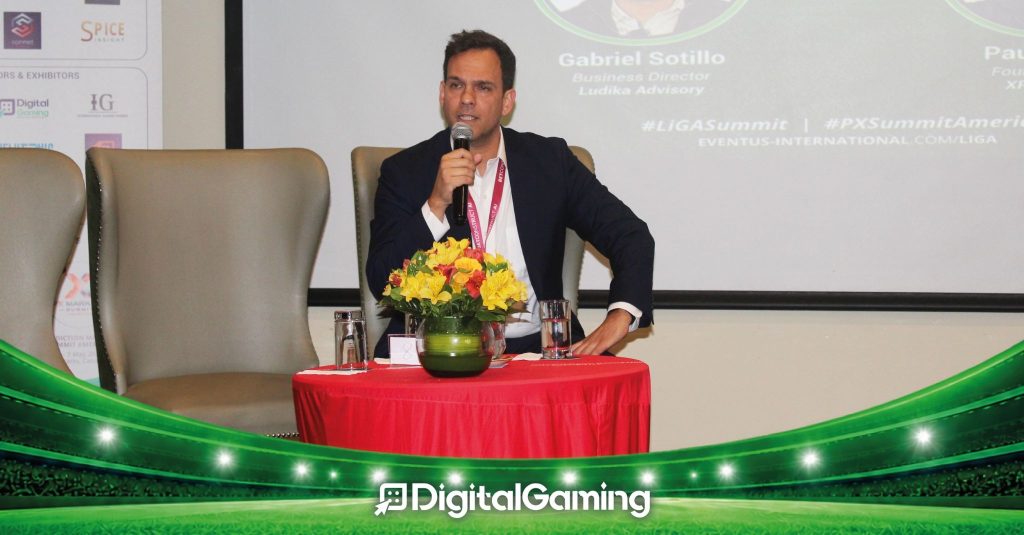
One of the key points was the educational factor and the importance of having a clear communication plan, allowing operators and agencies to understand how the regulatory framework works and communicate responsibly. The discussion emphasized that consumers should not be left without support, but rather that the industry needs to maintain a commitment to their protection while providing appropriate information and tools.
The conversation also highlighted brand building as a differentiating factor for operators, as well as the role sports marketing can play in generating engagement and creating new ways to connect with audiences.
Another important aspect was the need to establish clear KPIs, tracking systems and measurement mechanisms to understand the results generated by different marketing initiatives. To achieve this, understanding each operator’s DNA, objectives and approach to building its brand is essential.
Finally, the speakers highlighted that agencies also need to know and understand the regulatory framework, enabling them to develop communication and acquisition strategies aligned with the requirements of the Peruvian market while keeping the consumer experience and protection at the center.
Representation and diversity also formed part of the agenda with Representation Matters, where Margarita Cruz, Bryan Pareja and Paulo Tuya explored the role of communities, content creators and the different voices that make up the gaming ecosystem across Latin America.

The discussion highlighted the role of community leaders and people who have built their own distinctive voices, allowing them to communicate authentically and create genuine connections with their audiences. In this context, agencies and creators can act as a bridge between operators and specific audiences, bringing knowledge of their interests, cultural codes and particular characteristics.
The panel also highlighted the impact of communities and the importance of operators, agencies and creators working together to develop strategies that feel more relevant and closer to their audiences.
As part of this process, listening to the community becomes particularly important for operators, as opinions, behaviors and needs can provide valuable insights into their audiences and help build stronger and more authentic relationships with them.
The conversation then returned to the in-person segment with Land-Based Casinos, where Ana María Padrós and Margarita Cruz discussed innovation, customer experience, responsible gaming and omnichannel growth strategies for land-based casinos across Latin America.

Two Days, One Industry in Evolution
LiGA Summit 2026 provided a broad perspective on the different factors currently shaping the evolution of iGaming in Peru and across Latin America.
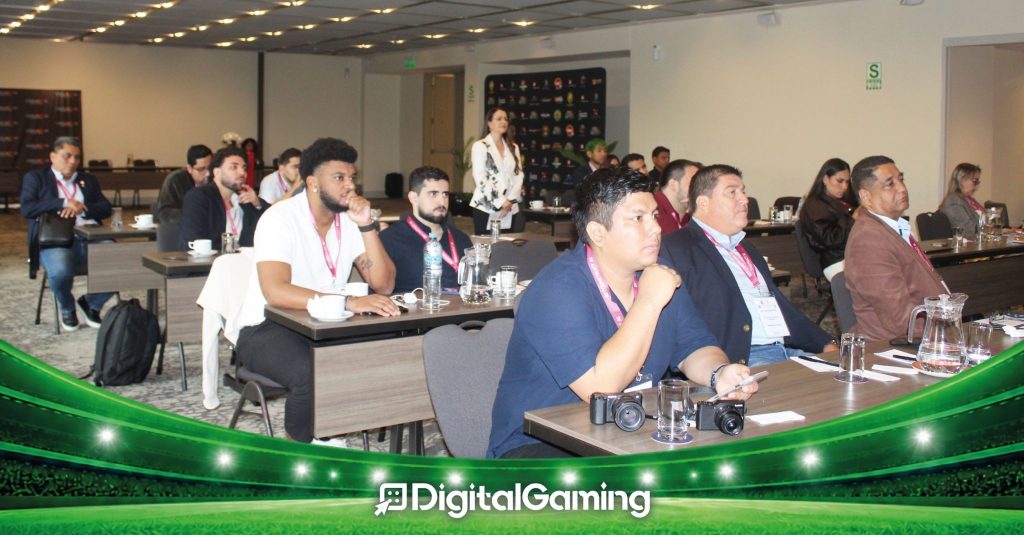
Beyond simply discussing growth, the conversations showed that the industry’s development is accompanied by new challenges in regulation, technology, security, player protection, marketing, compliance and user experience.
The diversity of professionals represented across the panels also allowed these challenges to be examined from different perspectives, creating opportunities for exchange between legal professionals, operators, consultants, technology specialists, marketers, affiliates, compliance experts and other stakeholders across the ecosystem.
For Digital Gaming News, this first edition of LiGA Summit in Peru was also an opportunity to get closer to the conversations shaping the present and future of the industry.
Throughout both days, our team followed the event closely, capturing key moments, panels and voices that helped shape this edition.
LiGA Summit 2026 has now concluded in Lima, but conversations around regulation, innovation, responsibility and growth continue. In an industry that is constantly evolving, events like this provide a space to connect perspectives, share experiences and address the challenges that will shape the next chapters of iGaming in Peru and Latin America.
Digital Gaming News will continue to follow this evolution closely, bringing our audience the latest news, trends and key voices from across the industry.