











The iGaming regulatory landscape continued to evolve at high speed throughout the second quarter of 2026. Governments and regulatory bodies around the world moved forward with new measures aimed at strengthening oversight of the sector, tightening controls on operators, and increasing tax revenues generated from online gambling activity.
In this analysis, EvenBet Gaming explores the main regulatory trends that defined the period, as well as the implications these changes will have for operators, suppliers, and investors seeking to stay competitive in an increasingly demanding environment.
A global trend: higher taxes and tighter control
If there is one common thread across major regulated markets this quarter, it is the rise in regulatory pressure. From Europe to Latin America and Asia, regulators are moving toward stricter frameworks designed to strengthen player protection, combat illegal activity, and ensure greater financial transparency.
However, these measures are also significantly increasing operational costs for companies in the sector, pushing them to develop more sophisticated and sustainable compliance strategies.
United Kingdom: one of the biggest tax shifts in a decade
The UK market saw one of the most significant developments of the quarter with a reform of its online operator tax system.
The increase in Remote Gaming Duty to 40% represents a substantial rise in the tax burden for businesses, alongside expanded funding mechanisms dedicated to prevention and treatment programs for problem gambling.
On top of this, stricter affordability checks, reinforced verification processes, and closer scrutiny of marketing and affiliate activity have been introduced.
For operators, the message is clear: the UK remains one of the most attractive and mature markets in the world, but also one of the most expensive and complex from a regulatory standpoint.
Brazil: from market opening to regulatory consolidation
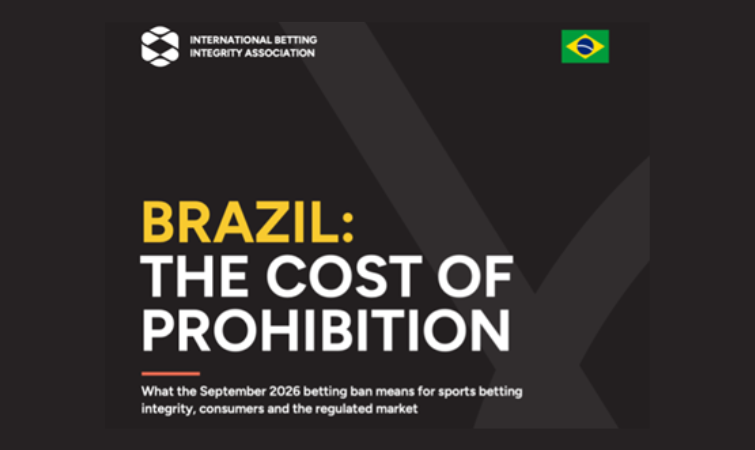
Following the rollout of its regulated framework, Brazil is now entering a new phase marked by stricter supervision and market consolidation.
During Q2, the Secretariat of Prizes and Betting (SPA) advanced its 2026–2027 regulatory agenda with measures focused on tackling unlicensed operators, strengthening AML controls, improving licensing processes, and reinforcing responsible gambling tools.
The priority is no longer market entry, but ensuring that licensed operators maintain high compliance standards.
In this context, factors such as product localization, payment efficiency, and customer management capabilities are becoming key differentiators for success.
Finland prepares to open one of Europe’s most anticipated markets
Another key highlight of the quarter was Finland, which continues its transition from a long-standing monopoly model toward a multi-licensing system expected to launch in 2027.
Authorities are currently working on regulatory requirements, deposit limits, self-exclusion systems, and tax structures that will define the future regulated market.
For many industry players, Finland represents one of the most promising opportunities in Europe over the coming years.
United States: slow progress and growing pressure on unregulated operators
While some states continue to explore new regulatory pathways, US authorities have intensified enforcement actions against offshore operators and unauthorized activity.
Cease-and-desist orders, tighter oversight of payment processors, and increased coordination between state and federal agencies reflect a broader strategy aimed at strengthening market integrity.
At the same time, ongoing debates around prediction markets and event-based contracts continue to create legal uncertainty across multiple jurisdictions.
Europe raises compliance standards further
Across Europe, the gradual implementation of new rules related to digital payments and anti-money laundering continues to raise the bar for operators.
The evolution of PSD3, the Payment Services Regulation (PSR), and the launch of the new European Anti-Money Laundering Authority (AMLA) will require companies to strengthen verification, monitoring, and financial control systems.
At the same time, several European countries are reviewing regulations around prediction markets, a segment that is attracting growing interest from both regulators and operators.
Compliance as a competitive advantage
For EvenBet Gaming, the conclusions from Q2 are clear: market access is no longer the main challenge for the industry. The real test lies in building sustainable and scalable operations within increasingly complex regulatory frameworks.
Companies that invest early in technology, compliance, and regulatory adaptability will be best positioned to navigate the sector’s next phase of transformation.
As markets mature, the ability to respond quickly to regulatory change is becoming one of the most important factors in securing long-term growth and stability.