









Exclusive Content
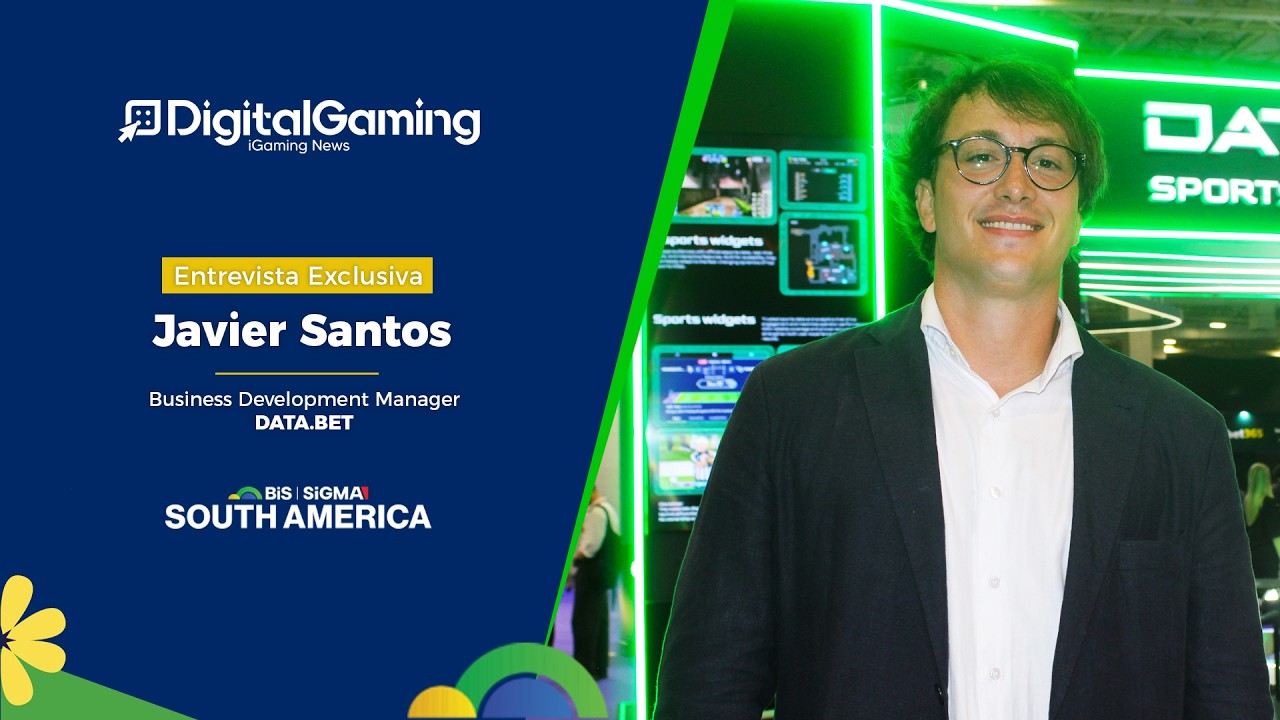
At SBC Summit Rio 2026, Digital Gaming News had the opportunity to speak exclusively with Matías Tapia Gómez, Business Development Manager LATAM at BETER, about the unique characteristics of the Latin American player, evolving content consumption trends, and the challenges of operating in one of the fastest-growing regions in the iGaming industry.
An Emotional and Growing Latin American Player
Tapia highlighted that one of the key differences between Latin American players and those in markets like Europe is their emotional and passionate nature.
“Players in Latin America bet with their emotions, especially when it comes to sports like football,” he explained.
He also emphasized that the region is still in a development phase, with strong growth potential but also distinct characteristics that make it unique in the global landscape.
Fast Content: Key to Engaging the New Generation
One of the most significant shifts in user behavior is being driven by younger audiences, particularly Generation Z, who demand dynamic, short-form, and multi-platform content.
“Today’s users consume content on TikTok, social media, and short formats. That’s why we develop products that match the way they interact,” he noted.
In this context, BETER has introduced fast-paced esports and sports tournaments, including popular disciplines such as eFootball, eBasketball, eHockey, and eTennis, alongside traditional sports like table tennis and basketball, all designed to deliver more engaging and dynamic experiences.
LATAM: Opportunities with Localization Challenges
While Latin America represents a major opportunity, Tapia stressed that it is also a complex market due to its diversity.
“Latin America is not a single market—it’s more than 20 countries, each with its own culture, regulation, and player behavior,” he stated.
One of the main challenges for providers is understanding these differences and adapting products to each country. Factors such as betting volume, session time, and player preferences can vary significantly between markets like Brazil, Argentina, and Peru.
In this regard, he highlighted the importance of having a local presence—commonly referred to as boots on the ground—to better understand operators’ needs and adapt to regulatory frameworks.
World Cup 2026: A Key Opportunity for Engagement
Looking ahead, Tapia pointed out that major events like the 2026 FIFA World Cup will represent a significant growth opportunity for the region.
“Football is the main sport in Latin America, and an event like the World Cup captures the full attention of users,” he said.
To capitalize on this interest, BETER focuses on enhancing operators’ offerings with interactive content before, during, and after matches, including dedicated eFootball tournaments and experiences tailored for mobile consumption.
“Today, more than 90% of users interact via mobile devices, so content must be dynamic, accessible, and adapted to that environment,” he concluded.
Watch the full interview here: